Stolen Ties: When the Past Comes Knocking, Don’t Answer the Door
- Category: Drama, Thriller, Mystery, Independent
- Release Date: January 31, 2026 (Limited Theatrical)
- Cast: Kolode Inshuti, Emmanuel Bizimungu, Nsamba Seth, Esther Babirye, Dorcus Kwarikunda
- Language: English
- Duration: Feature Length (Approx. 90-100 mins)
- Director: Nsamba Seth
- Production: Independent
- Themes: Betrayal, Identity, Family Secrets, Survival
The landscape of global independent cinema is shifting, and some of the most compelling stories are currently emerging from East Africa. On January 31, 2026, a quiet storm hit limited theaters in the form of Stolen Ties. Directed by the visionary auteur Nsamba Seth, this film is a masterclass in low-budget, high-tension storytelling. It proves that you don’t need Hollywood millions to create a gripping narrative; you simply need a camera, a script, and the raw talent to execute it.
Stolen Ties is a psychological thriller that burrows under the skin. It trades jump scares for a suffocating atmosphere of dread. Starring a talented ensemble including Esther Babirye and Emmanuel Bizimungu, the film explores the fragility of trust within a family unit. For the audience on fmovies.tr who appreciate cinema that challenges the intellect and exposes the darker side of human nature, this is a hidden gem that deserves your full attention. It is a story about how the secrets we bury have a nasty habit of clawing their way back to the surface.
The Plot: A Stranger, A Secret, and A Sisterhood Tested
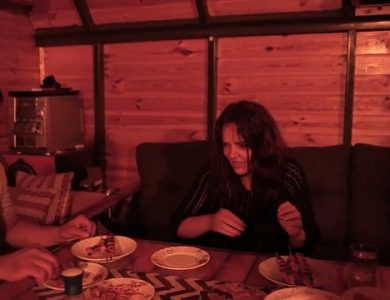
The narrative is deceptively simple at first, grounding the viewer in a domestic setting before pulling the rug out. The story revolves around two sisters (played by Esther Babirye and Dorcus Kwarikunda) who have built a seemingly stable life. They share a bond that feels unbreakable, forged perhaps by past hardships that are hinted at but not immediately revealed. Their world is one of routine and relative peace.
The inciting incident occurs with the arrival of a mysterious woman. She enters their lives not with a bang, but with a whisper—perhaps a distant relative, an old friend, or a stranger in need. Her presence, however, acts as a catalyst. She is the loose thread that, when pulled, unravels the entire tapestry of the sisters’ lives.
The Shadow of the Past
Through this stranger, the sisters uncover a chilling link to a figure from their past: a manipulative man (portrayed with menacing charisma by Kolode Inshuti or Emmanuel Bizimungu). This man is not just an ex-lover or a distant father figure; he represents a trauma the family thought they had escaped.
As buried truths begin to surface, the genre shifts from a domestic drama to a survival thriller. The sisters realize that their identity—who they think they are and where they come from—might be a fabrication. They are drawn into a “dangerous web of deceit,” where every conversation is loaded with double meanings and every shadow could hide a threat. The film asks a terrifying question: How well do you really know the people sleeping under your roof?
Director’s Vision: Nsamba Seth’s Hitchcockian Approach
Nsamba Seth is a director who understands the power of suggestion. In independent filmmaking, where resources are often scarce, the director must rely on creativity to build tension. Seth excels here, utilizing a style that feels reminiscent of early Hitchcock or the domestic noir of Asghar Farhadi.
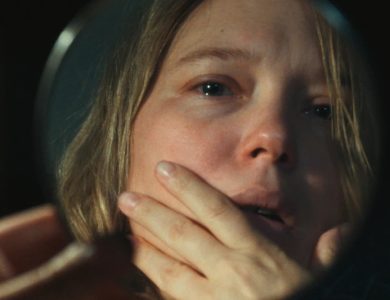
Atmosphere and Pacing: Stolen Ties is a slow burn. Seth allows the camera to linger on faces, capturing the micro-expressions of doubt and fear. He uses silence effectively; the lack of a constant, booming score forces the audience to lean in, listening to the ambient sounds of the house—the creaking floorboards, the wind outside—which become characters in themselves. The pacing is deliberate, ratcheting up the anxiety until the explosive third act.
Visual Storytelling: The cinematography is claustrophobic. Much of the film takes place indoors, trapping the characters (and the audience) in a confined space. Seth plays with light and shadow, often obscuring the faces of the antagonists to suggest their duplicitous nature. The visual language emphasizes isolation; even when the sisters are together in a frame, there is often a physical barrier or a shadow separating them, symbolizing the secrets driving them apart.
The Cast: Raw and Authentic Performances
Without big-budget special effects to hide behind, the weight of Stolen Ties falls entirely on the cast. They deliver performances that are raw, unpolished, and deeply affecting.
- Esther Babirye: As one of the leads, Babirye is the emotional anchor. She portrays a woman whose reality is fracturing. Her transformation from a confident, secure sister to a paranoid, terrified survivor is compelling. She conveys fear not through screaming, but through a quiet, trembling intensity that is far more realistic.
- Dorcus Kwarikunda: Playing the counterpart sister, Kwarikunda brings a different energy—perhaps denial or anger. The chemistry between her and Babirye feels like genuine siblinghood; the shorthand they use, the way they argue, and the way they protect each other feels lived-in.
- The Antagonist (Kolode Inshuti/Emmanuel Bizimungu): The male presence in the film is terrifying because it is manipulative. The villain here isn’t a monster with a chainsaw; he is a gaslighter. He uses words as weapons, twisting the sisters’ memories and reality against them. The performance is chillingly charismatic, making it easy to see how he could have controlled them in the past.
Critical Review: A Study in Psychological Violence
Stolen Ties sets itself apart from standard thrillers by focusing on psychological violence rather than physical gore. It is a film about the scars that don’t bleed.
The Theme of Identity
The film explores the concept of “stolen ties” literally and metaphorically. It suggests that our connections to others define us, and when those connections are based on lies, we lose our sense of self. The sisters struggle to understand who they are if their past was a lie. This existential dread adds a layer of depth that elevates the movie above a standard “home invasion” or “stalker” flick.
Indie Filmmaking Triumph
While some viewers might find the production values modest compared to Hollywood blockbusters, this actually works in the film’s favor. The lack of glossy polish makes the story feel grittier and more authentic. It feels like this could be happening to your neighbors. The dialogue is naturalistic, avoiding the melodramatic speeches often found in lower-budget dramas.
The Tension of the Unknown
The script keeps the audience guessing. Is the mysterious woman a friend or foe? Is the man from the past real, or a projection of their trauma? By keeping the “truth” ambiguous for much of the runtime, Nsamba Seth ensures that the viewer is just as disoriented as the protagonists. The suspense is derived from the *anticipation* of the blow, rather than the blow itself.
Stolen Ties is a gripping, intense, and emotionally resonant thriller. It is a testament to the growing power of African independent cinema.
Nsamba Seth has crafted a narrative that is universal in its themes of trust and betrayal, yet specific in its execution. It demands patience from its audience, but rewards that patience with a haunting conclusion that will linger in your mind long after the credits roll. If you are looking for a movie that prioritizes story and character over spectacle, Stolen Ties is a must-watch.